

Anti-Money Laundering (AML) and Countering Financing of Terrorism (CFT) legislation significantly impacts the New Zealand real estate sector, encompassing both property purchases and commercial leases. The primary aim of the AML/CFT Act 2009 is to detect and deter money laundering and terrorism financing, thereby protecting New Zealand's financial system and international reputation. The Scope of...
Information
Foreign Buyers of NZ Property: What’s Allowed Today New Zealand law strongly limits overseas buyers of property. In general, foreign persons cannot buy existing homes or rural land unless they first get permission from the government. The Overseas Investment Act (OIA) requires most overseas property purchases to be approved by the Overseas Investment Office (OIO) in Land Information NZ. Under the...
Auckland, NZ – For many New Zealanders, the dream of a new home is a significant life investment. But as the keys are handed over, a complex web of warranties and insurance policies comes into play, often leaving homeowners unsure of their true protection. A recent analysis sheds light on the critical distinctions between statutory implied warranties, specialized builder guarantees like Master Build and...
In the Auckland region, as in the rest of New Zealand, building work is governed by strict regulations to ensure safety, durability, and compliance with the New Zealand Building Code. Two critical documents that homeowners and developers will encounter are the Code Compliance Certificate (CCC) and the Certificate of Acceptance (COA). While both relate to the compliance of building work, they serve...
Navigating the complexities of real estate in New Zealand involves understanding various costs beyond the purchase price. Among these, body corporate fees and society fees are crucial considerations, particularly for properties with shared ownership or common areas. These fees contribute to the maintenance, management, and overall well-being of the property, directly impacting an owner's financial...
Selling a property in New Zealand can be a complex process, with various methods available to homeowners. Choosing the right approach is crucial for a successful sale, impacting everything from the final price to the speed of the transaction. This article delves into the most common real estate selling methods in New Zealand, outlining their descriptions, advantages, and disadvantages to help you make an...
Date: July 26, 2025 Introduction When buying or selling real estate in New Zealand, particularly commercial properties, the term "Purchase Price Allocation" (PPA) is of paramount importance. Since the introduction of new rules on July 1, 2021, understanding and correctly applying PPA has become a critical aspect of property transactions, with significant financial implications for both vendors...
Selling a property in New Zealand involves several critical steps, one of which is entering into a listing agreement with a real estate agent. This legally binding contract outlines the terms under which the agent will market and sell your property. Understanding the components and implications of this agreement is essential to ensure a smooth and successful sale process. What Is a...
A Land Information Memorandum (LIM) report is essential when buying property in New Zealand, offering detailed insights from local councils about zoning, compliance, and hazards. This report helps identify risks, informs financial decisions, and provides legal protection. However, it has limitations and should be supplemented with additional inspections for comprehensive due diligence.
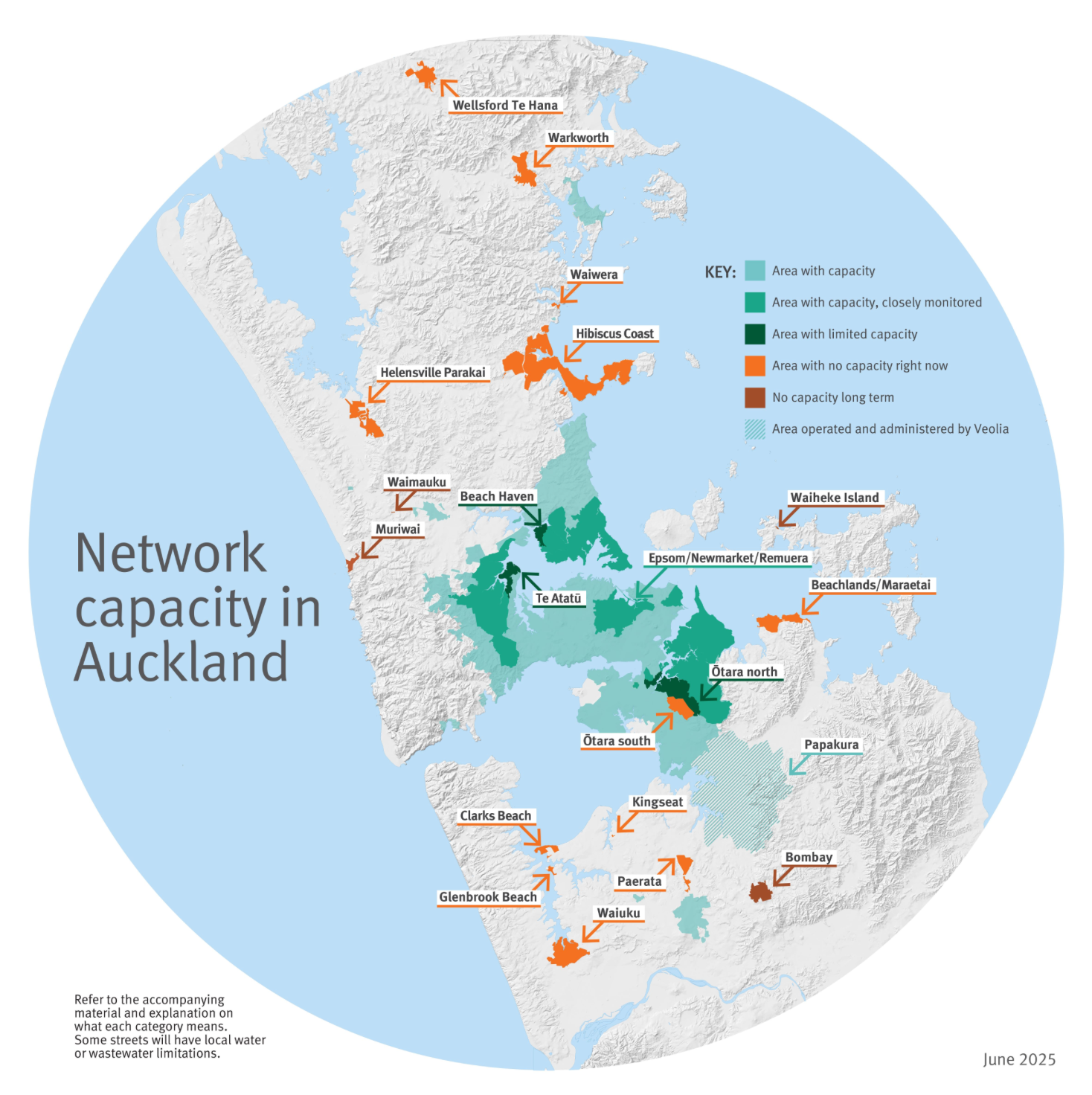
Auckland, NZ – June 12, 2025 – For property developers and urban planners in Auckland, understanding the nuances of Watercare's network capacity is paramount to successful project delivery and strategic land acquisition. This guide delves into the current state of Auckland's water and wastewater infrastructure, highlighting critical capacity constraints, planned upgrades, and the long-term vision...