

 by
by 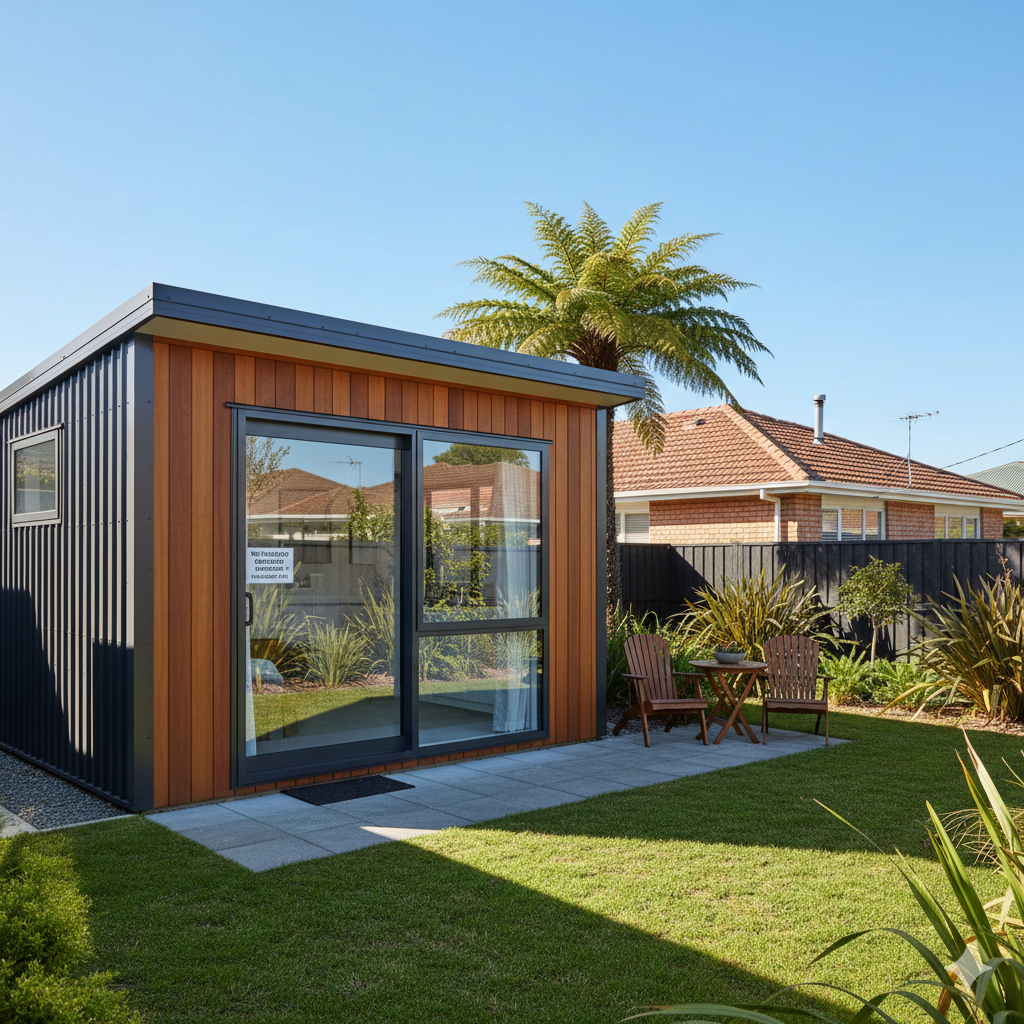
New Zealand homeowners are set to benefit from a significant change in building regulations, making it easier and more affordable to construct small additional dwellings, often referred to as “granny flats” or “accessory dwelling units” (ADUs), on their properties. The new rule, which came into effect recently, allows for the construction of standalone structures up to 60 square meters without requiring a building consent, provided certain conditions are met.
This move by the government aims to address several pressing issues, including the country’s housing shortage, increasing affordability challenges, and the need for more flexible living arrangements. For many, the traditional process of obtaining building consent has been a costly, time-consuming, and often complex hurdle, deterring homeowners from adding much-needed extra living space.
What Does the New Rule Mean for Homeowners?
The core of the new regulation is the exemption from building consent for detached single-storey buildings up to 60 square meters, intended to be used as sleepouts, studios, or granny flats. This doesn’t mean a complete free-for-all; there are still crucial requirements that must be adhered to:
• Design and Construction: The building must be designed and constructed to comply with the Building Code. While a formal consent isn’t needed, the structure still needs to be safe, healthy, and durable. Engaging a reputable builder or designer familiar with the Building Code is still highly recommended.
• Plumbing: Any plumbing work, such as for a bathroom or kitchen in the granny flat, will still require a building consent, or must be carried out by a certified plumber and meet specific requirements. This is a key distinction and ensures proper sanitation and waste management.
• Electrical Work: All electrical work must be carried out by a licensed electrician and comply with electrical safety standards.
• District Plan: The proposed structure must still comply with the relevant local District Plan rules. This includes considerations like site coverage, setbacks from boundaries, height restrictions, and maximum impervious area. Homeowners should always check with their local council to understand these requirements.
• Professional Involvement: While consent is not required, using licensed building practitioners for restricted building work is still mandatory.

Why the Change?
The government’s rationale behind this policy shift is multi-faceted:
• Housing Affordability and Supply: By reducing barriers to building smaller dwellings, the rule is expected to incrementally increase the housing supply, particularly in urban areas, and offer more affordable rental options.
• Intergenerational Living: It facilitates intergenerational living arrangements, allowing elderly parents to live closer to family while maintaining independence, or providing young adults with affordable housing options on their family’s property.
• Flexibility and Innovation: The change encourages innovative housing solutions and provides homeowners with greater flexibility to adapt their properties to changing needs, whether for family, rental income, or a home office.
• Economic Benefits: It’s anticipated to stimulate the building sector, particularly for smaller-scale projects, and create economic opportunities.
What to Consider Before You Build
While the new rule simplifies the process, careful planning is still essential:
1. Check Your District Plan: This is the most critical first step. Your local council’s District Plan dictates what you can build on your land.
2. Budget: Factor in all costs, including design, materials, construction, plumbing (if applicable), electrical work, and landscaping.
3. Site Suitability: Consider access, drainage, and how the new structure will integrate with your existing property.
4. Professional Advice: Even without a building consent, consulting with an architect, designer, or reputable builder can ensure your granny flat is well-designed, compliant, and meets your needs.
5. Insurance: Inform your insurance provider about the new structure to ensure it’s adequately covered.
This new rule represents a significant step towards more flexible and accessible housing solutions in New Zealand. For many homeowners, the dream of adding a granny flat to their property is now much closer to becoming a reality, potentially offering both financial benefits and enhanced living arrangements.
Disclaimer:
The information provided in this article is general in nature and should not be considered as legal, financial, or professional advice. Buyers/sellers are strongly encouraged to seek independent legal and/or financial advice from qualified professionals before making any decisions related to property transactions.



Join The Discussion