

 by
by 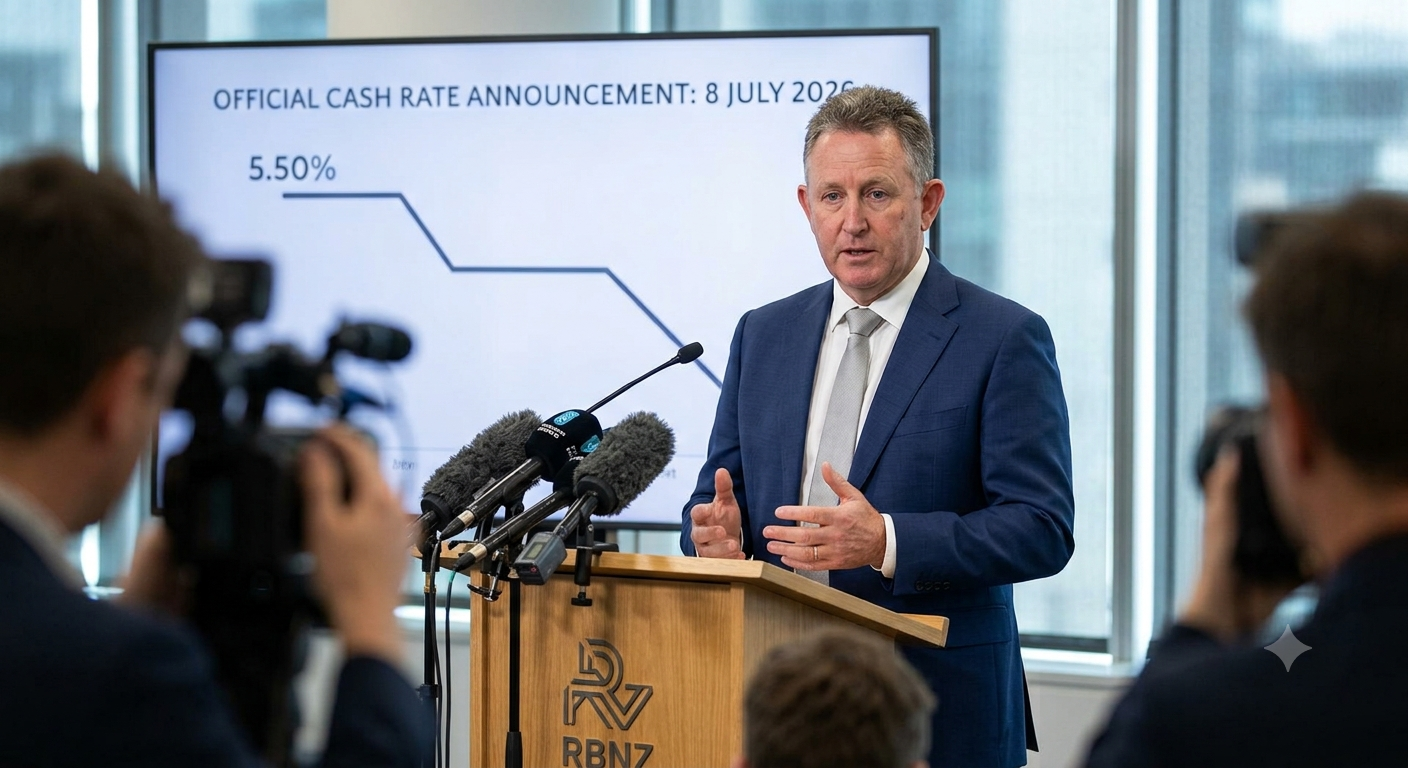
Reserve Bank Raises OCR to 2.50%
The Reserve Bank of New Zealand (RBNZ) has increased the Official Cash Rate (OCR) by 25 basis points to 2.50%, marking the first interest rate increase in approximately three years. The decision reflects the Bank’s intention to return inflation to its long-term target of 2% while balancing an economy that has begun to recover.
Although inflation has eased considerably from its previous highs, it remains above the RBNZ’s preferred midpoint. At the same time, economic activity, tourism, exports and business confidence have shown encouraging signs of improvement, prompting the Bank to begin withdrawing monetary stimulus. The RBNZ also indicated that further OCR increases may be required, although future decisions will depend on incoming economic data and inflation trends.
What Does This Mean for Homeowners?
For homeowners with floating or short-term fixed mortgages, borrowing costs are likely to rise gradually as banks adjust lending rates.
Those whose mortgages are due for refixing may face:
- Higher monthly repayments
- Slightly stricter lending assessments
- Reduced borrowing capacity for some buyers
However, mortgage rates remain significantly lower than the peak levels experienced during the previous tightening cycle, meaning many households are still in a manageable position compared with recent years.
Impact on Property Buyers
Higher interest rates generally reduce affordability because larger portions of household income are required to service mortgages.
As a result:
- First-home buyers may become more cautious.
- Some investors may delay purchases due to higher financing costs.
- Buyers are likely to negotiate more aggressively.
On the positive side, stronger household confidence and improving employment conditions continue to support underlying housing demand. New Zealand’s ongoing population growth and housing shortages in many regions also provide long-term support for residential property values.

Impact on Property Sellers
For vendors, the market is shifting away from the low-interest-rate environment that fuelled rapid price growth.
Properties that are:
- well presented,
- realistically priced, and
- located in desirable suburbs
are still attracting strong buyer interest.
However, buyers are becoming more selective and price-sensitive, making professional marketing and accurate pricing more important than ever.
Auckland Market Outlook
Auckland remains New Zealand’s largest and most resilient property market.
Demand continues to be supported by:
- Population growth
- Immigration
- Limited supply in many established suburbs
- Strong employment opportunities
While the OCR increase may moderate the pace of price growth, it is unlikely to trigger widespread price declines unless interest rates rise significantly beyond current expectations.
Premium homes in sought-after school zones and quality family neighbourhoods are expected to remain relatively resilient.
What About Investors?
Investors should closely monitor:
- Mortgage interest costs
- Rental demand
- Cashflow
- Future OCR announcements
The rental market remains relatively tight in many Auckland suburbs, helping offset higher borrowing costs through stronger rental income.
Long-term investors with healthy equity positions are still likely to find opportunities, particularly where motivated vendors are willing to negotiate.
What Happens Next?
The RBNZ has made it clear that future OCR decisions are data dependent.
Key factors the Bank will monitor include:
- Inflation
- Wage growth
- Employment
- Consumer spending
- Global economic conditions
- Oil and commodity prices
If inflation falls faster than expected, the pace of future OCR increases could slow. Conversely, if inflation remains persistent, additional rate hikes may follow.
Our View
The latest OCR increase signals that New Zealand’s economy is moving into the next phase of recovery. While borrowing costs are beginning to rise, the increase also reflects growing confidence in economic activity.
For buyers, today’s market offers greater choice and improved negotiating power than during the post-pandemic boom.
For sellers, success will increasingly depend on realistic pricing, exceptional presentation and strategic marketing rather than relying solely on market momentum.
Real estate remains a long-term investment. Short-term interest rate movements may influence buyer behaviour, but factors such as housing supply, migration, employment and economic growth continue to shape the market over the longer term.
Whether you are buying, selling or investing, obtaining professional advice tailored to your circumstances is more important than ever as the market adjusts to the changing interest rate environment.
Disclaimer:
The information provided in this article is general in nature and should not be considered as legal, financial, or professional advice. Buyers/sellers are strongly encouraged to seek independent legal and/or financial advice from qualified professionals before making any decisions related to property transactions.


Join The Discussion