

 by
by 
The ongoing geopolitical tensions and conflicts in the Middle East have far-reaching consequences that extend beyond regional borders, influencing global economies and, by extension, specific national markets such as New Zealand’s real estate sector. This article explores the multifaceted impacts of these conflicts, particularly focusing on how they contribute to fluctuations in interest rates, fuel costs, and the broader cost of goods, ultimately shaping the landscape of New Zealand’s property market.
Global Economic Repercussions of Middle East Conflicts
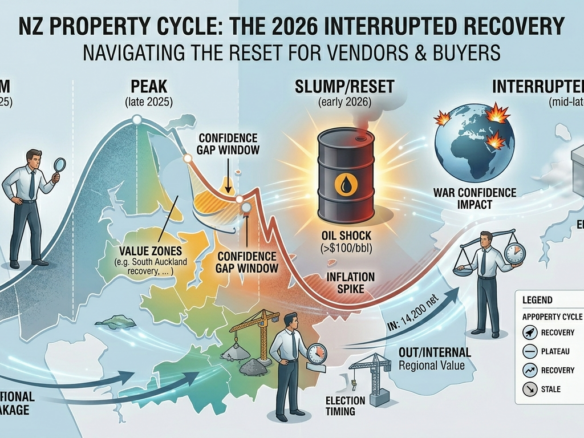
Conflicts in the Middle East, a region critical for global energy supply and trade routes, inevitably trigger significant global economic disruptions. The primary channels of impact include energy markets, international shipping, and overall inflation. For instance, the Israel-Hamas war and broader tensions in the region have led to concerns about the stability of oil supplies, causing spikes in global oil prices .
Furthermore, disruptions to vital maritime passages, such as the Red Sea, have significantly impacted global supply chains. Attacks on shipping in the Red Sea have forced many vessels to reroute, leading to extended transit times, increased fuel consumption, and higher freight costs . These elevated shipping expenses are subsequently passed on to consumers, contributing to inflationary pressures worldwide.
Impact on New Zealand’s Economy
New Zealand, a geographically isolated nation heavily reliant on international trade, is particularly susceptible to these global economic shifts. The effects manifest across several key economic indicators:
Interest Rates and the Official Cash Rate (OCR)
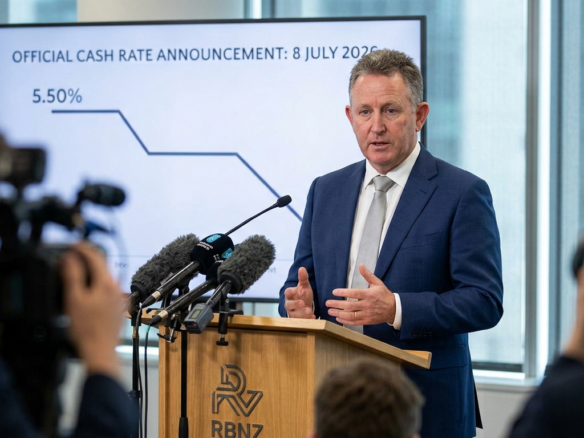
The global inflationary pressures stemming from increased energy and shipping costs directly influence the Reserve Bank of New Zealand’s (RBNZ) monetary policy. Faced with rising inflation, the RBNZ may be compelled to increase the Official Cash Rate (OCR) to temper price increases . Financial markets have already begun pricing in potential interest rate hikes from the RBNZ due to the perceived inflationary risks posed by Middle East conflicts . Higher OCR typically translates to increased mortgage interest rates, impacting housing affordability and borrowing capacity for prospective homeowners.
Fuel Costs
The direct link between Middle East conflicts and New Zealand’s fuel prices is evident. Disruptions to oil production or transit in the region can cause immediate surges in international crude oil prices, which are then reflected at the pump in New Zealand . Analysts have warned that ongoing conflicts could push petrol prices in New Zealand towards $4 a litre, significantly increasing transportation costs for individuals and businesses alike . While New Zealand’s fuel stocks have remained stable despite international volatility, the price increases are a direct consequence of global market reactions .
Goods Costs and Supply Chains
The rerouting of ships away from the Red Sea and other disrupted trade routes leads to longer delivery times and higher shipping costs for goods imported into New Zealand . This affects a wide array of products, from consumer goods to essential raw materials, including those vital for the construction sector. Increased costs for imported materials contribute to higher overall construction expenses, which can, in turn, influence the final price of new homes and development viability . New Zealand ministers have highlighted the risks of global supply chain disruptions and their impact on the cost of goods .

New Zealand Real Estate Market
The confluence of rising interest rates, elevated fuel costs, and increased prices for goods and construction materials creates a challenging environment for the New Zealand real estate market.
- Affordability and Demand: Higher mortgage interest rates reduce borrowing power and increase monthly repayment burdens, making homeownership less accessible for many. This can dampen buyer demand and slow down market activity .
- House Prices and Sales Volume: While recent data from the Real Estate Institute of New Zealand (REINZ) indicated a modest increase in national median house prices in February 2026, suggesting some market stabilization, the underlying geopolitical risks, particularly from the Middle East, could undermine this recovery . The conflict’s potential to sustain inflation and necessitate further OCR hikes could weigh on buyer sentiment and price growth in the coming months .
- Construction Sector: The rising cost of materials due to supply chain disruptions directly impacts the profitability and feasibility of construction projects. This could lead to delays, reduced new housing supply, and further upward pressure on property values in the long term, despite a projected contraction in the construction industry for 2025 .
Conclusion
The conflicts in the Middle East exert a tangible influence on New Zealand’s real estate market through a complex web of global economic linkages. From inflationary pressures driving up interest rates and fuel costs to disruptions in international shipping affecting the price of goods and construction materials, these geopolitical events create headwinds for property affordability and market stability. While the full extent of the impact remains subject to the duration and intensity of these conflicts, it is clear that New Zealand’s real estate sector must navigate a period of heightened uncertainty driven by distant, yet deeply interconnected, global events.
References
[1] Conflict and Consequences: The Global Impact of the New Middle East War
[2] The Impact of the Israel-Hamas War on Oil Prices
[3] The Impacts of the Red Sea Shipping Crisis
[4] Red Sea Crisis: How Shipping Disruptions Impact Costs
[5] Middle East shock stirs inflation fears and OCR uncertainty: BNZ
[6] Middle East crisis complicates OCR outlook
[7] Iran war oil shock has markets betting on two Reserve Bank of NZ interest rate hikes
[8] All bets off over NZ petrol prices after Iran gas field strike
[9] Oil spike and market whiplash: Could carless days make a comeback amid Iran turmoil?
[10] Middle East conflict and New Zealand’s fuel stocks
[11] New Zealand Construction Industry Report 2025
[12] New Zealand minister warns of Middle East supply chain disruptions
[13] Global Trade & Middle East Update
[14] Buyers and sellers ‘patient’ as house prices lift, REINZ says
[15] House prices show biggest monthly increase in two-and-a-half years
[16] Iran War: House price rise could be undermined by Middle East conflict
Disclaimer:
The information provided in this article is general in nature and should not be considered as legal, financial, or professional advice. Buyers/sellers are strongly encouraged to seek independent legal and/or financial advice from qualified professionals before making any decisions related to property transactions.

Join The Discussion