
 by
by 
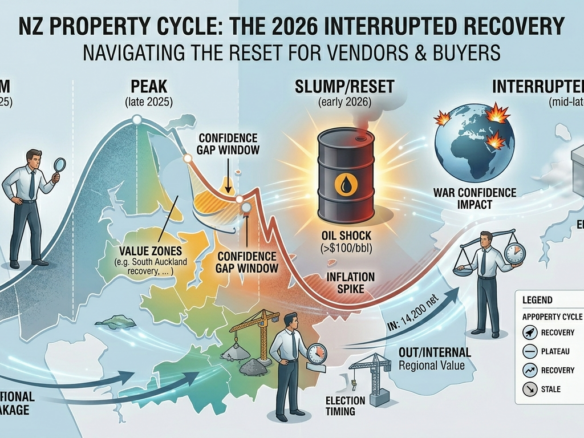
The real estate market, like other sectors, operates in cycles. These cycles represent the fluctuating conditions of property markets, from periods of growth to stagnation and decline. Real estate professionals, investors, and even homeowners must understand these cycles to make informed decisions. This article explores the different stages of the real estate market cycle, offering insights into each phase, its characteristics, and what it means for those involved in real estate.
What Are Real Estate Market Cycles?
Real estate market cycles are recurring patterns of growth and decline in property values and market activity. These cycles are influenced by various factors, such as economic conditions, interest rates, consumer confidence, government policies, and supply and demand. Understanding where the market stands in its cycle can help investors and homebuyers maximize returns, minimize risks, and anticipate future trends.
The Four Main Stages of Real Estate Market Cycles
The real estate market cycle is typically divided into four primary phases:
- Recovery
- Expansion
- Hyper-Supply
- Recession
Each phase reflects different dynamics in terms of pricing, demand, construction activity, and investment opportunities. Let’s explore each stage in detail:
1. Recovery Phase
Overview:
The recovery phase is the starting point of a new cycle after a market recession or downturn. At this stage, the market is characterized by slow activity, falling or stabilized prices, and low confidence from both buyers and investors. Often, real estate markets in this phase seem to be in distress, with high vacancy rates and little new construction.
Key Characteristics:
- Price Growth: Property prices are typically low or stagnant, as the market has just recovered from a downturn.
- High Vacancy Rates: There’s a surplus of properties, as demand has been suppressed during the previous recession.
- Reduced Construction: Construction activity is minimal because developers are hesitant to take on new projects in a slow market.
- Investor Opportunities: Smart investors may view this phase as a buying opportunity. Since prices are low, it’s a good time to acquire undervalued properties and anticipate future growth.
What to Expect:
In the recovery phase, the economy begins to stabilize, and property markets may show early signs of improvement. Investors with a long-term view often find this a prime time to enter the market, as prices are low and poised to increase during the next phase of expansion.
2. Expansion Phase
Overview:
The expansion phase is marked by renewed growth and rising demand in the real estate market. This is often the most exciting phase, as the economy is strong, employment is growing, and consumer confidence is high. As more people look to buy homes, rent apartments, or open businesses, property values increase, leading to a boom in construction and development.
Key Characteristics:

- Rising Property Prices: As demand increases, so do property prices. Both residential and commercial markets see consistent price growth.
- Lower Vacancy Rates: The surplus of properties from the recovery phase begins to dwindle, and vacancy rates drop as more units are rented or sold.
- Increased Construction Activity: Developers respond to the growing demand by launching new construction projects, leading to more housing developments, office buildings, and commercial spaces.
- High Buyer Confidence: Investors and homebuyers alike are confident about the market’s direction. This confidence encourages further investment in real estate.
What to Expect:
During the expansion phase, it’s common to see significant appreciation in property values. The growing demand and higher prices make it an attractive period for sellers. However, it’s important to keep an eye on the market’s pace—while things look promising, rapid growth can sometimes lead to overheating, setting the stage for the next phase.
3. Hyper-Supply Phase
Overview:
The hyper-supply phase begins when the market’s expansion slows, but supply continues to grow. This happens because developers, responding to the earlier boom in demand, continue to build new properties even as demand starts to taper off. As a result, the market faces an oversupply of properties, which can lead to increased vacancy rates and downward pressure on prices.
Key Characteristics:

- Overbuilding: Developers continue to build at a fast pace, but demand is not keeping up. This creates an excess supply of properties.
- Rising Vacancy Rates: As supply exceeds demand, properties—especially rental units—start to sit vacant for longer periods.
- Slowdown in Price Growth: Property price appreciation slows, and in some cases, prices may even begin to decline.
- Increased Inventory: More properties are available for sale, and many sit on the market longer as buyers become more cautious.
What to Expect:
During the hyper-supply phase, investors and homebuyers need to be cautious. While there are still opportunities, particularly for properties in high-demand areas, oversupply can lead to falling prices and increased vacancy rates. This phase signals the beginning of a cooling market, and many investors may begin to sell their properties to avoid potential losses in the next phase.
4. Recession Phase
Overview:
The recession phase is the low point of the real estate market cycle. It follows hyper-supply and is characterized by falling property values, rising vacancies, and reduced demand. The economy may also be slowing, and financing can become more difficult to secure as lenders grow cautious. During this phase, the market corrects itself after the oversupply and exuberance of the previous phases.
Key Characteristics:
- Falling Property Prices: Property values often decline, particularly in overbuilt areas. Investors who purchased during the hyper-supply phase may see significant losses.
- High Vacancy Rates: Properties are difficult to rent or sell, and vacancy rates remain high as demand weakens.
- Minimal Construction: Developers pull back on new projects, as the market is no longer conducive to profitable building.
- Opportunities for Bargain Buyers: While many investors are hesitant during this phase, those with long-term strategies may find opportunities to purchase undervalued properties.
What to Expect:
During a recession, the market is at its weakest. Property values are declining, and many owners may be looking to sell at a loss. For opportunistic buyers, this can be a chance to acquire properties at a discount. However, it’s important to note that a recession can last for a while, so patience is necessary before the market begins to recover.
Factors That Influence Real Estate Cycles
While the four stages of the real estate market cycle are predictable in theory, various external factors can influence the length and severity of each phase. Some of the key drivers include:
- Economic Conditions: A growing economy generally drives demand for real estate, while a shrinking economy leads to reduced demand and lower property values.
- Interest Rates: Low-interest rates encourage borrowing and investment in real estate, while high rates discourage it.
- Government Policies: Tax incentives, zoning regulations, and housing policies can have a significant impact on the real estate market cycle.
- Consumer Confidence: When consumers are optimistic about the economy, they are more likely to buy homes or invest in property. Conversely, when confidence is low, demand for real estate falls.
Navigating the Real Estate Market Cycle
Understanding the real estate market cycle is crucial for investors, homebuyers, and professionals in the real estate industry. Each stage—recovery, expansion, hyper-supply, and recession—presents different opportunities and challenges. By recognizing the characteristics of each phase, individuals can make informed decisions, whether it’s the best time to buy, sell, hold, or develop property.
Real estate is a long-term investment, and market cycles are inevitable. By staying aware of where the market stands within its cycle, you can better anticipate changes, minimize risks, and capitalize on opportunities that align with your financial goals.


Join The Discussion