
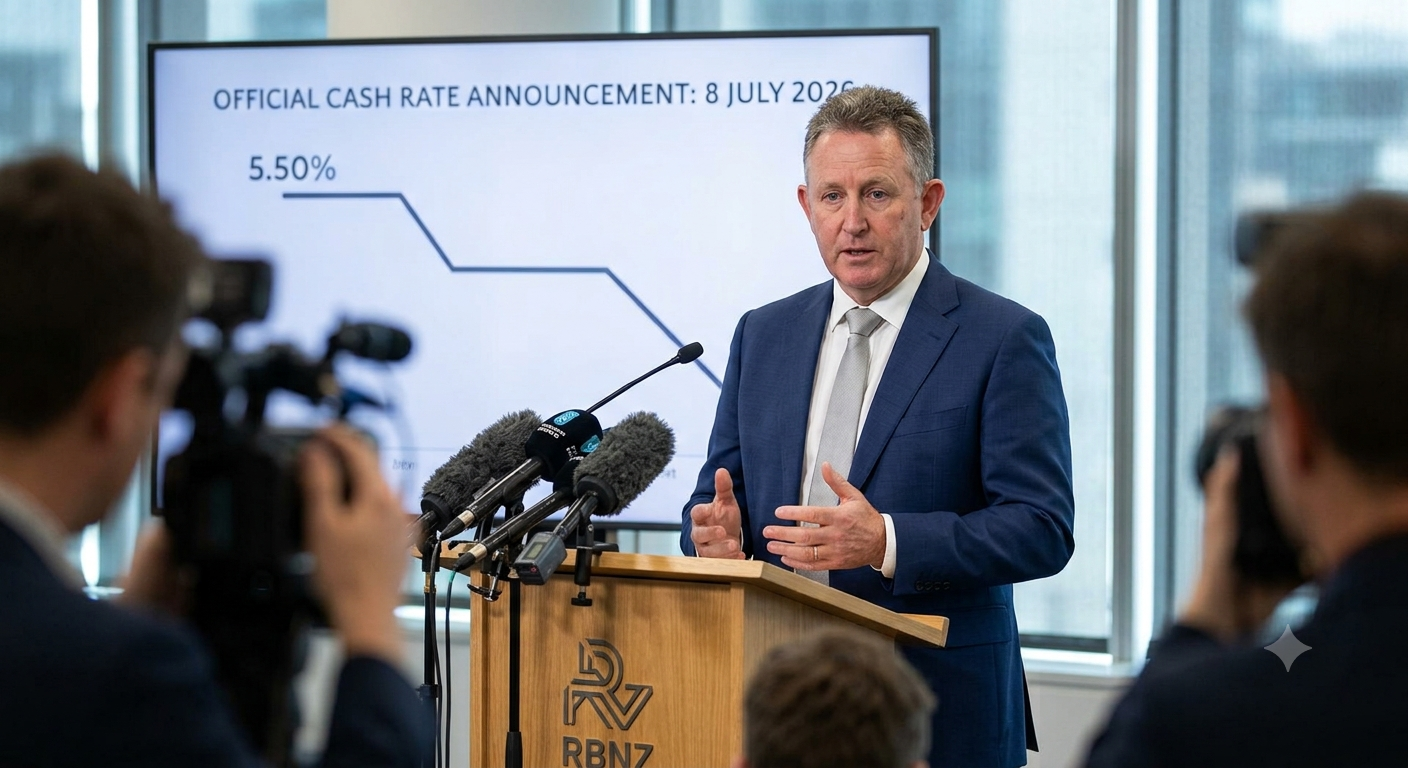
Reserve Bank Raises OCR to 2.50% The Reserve Bank of New Zealand (RBNZ) has increased the Official Cash Rate (OCR) by 25 basis points to 2.50%, marking the first interest rate increase in approximately three years. The decision reflects the Bank's intention to return inflation to its long-term target of 2% while balancing an economy that has begun to recover. Although inflation...
2026
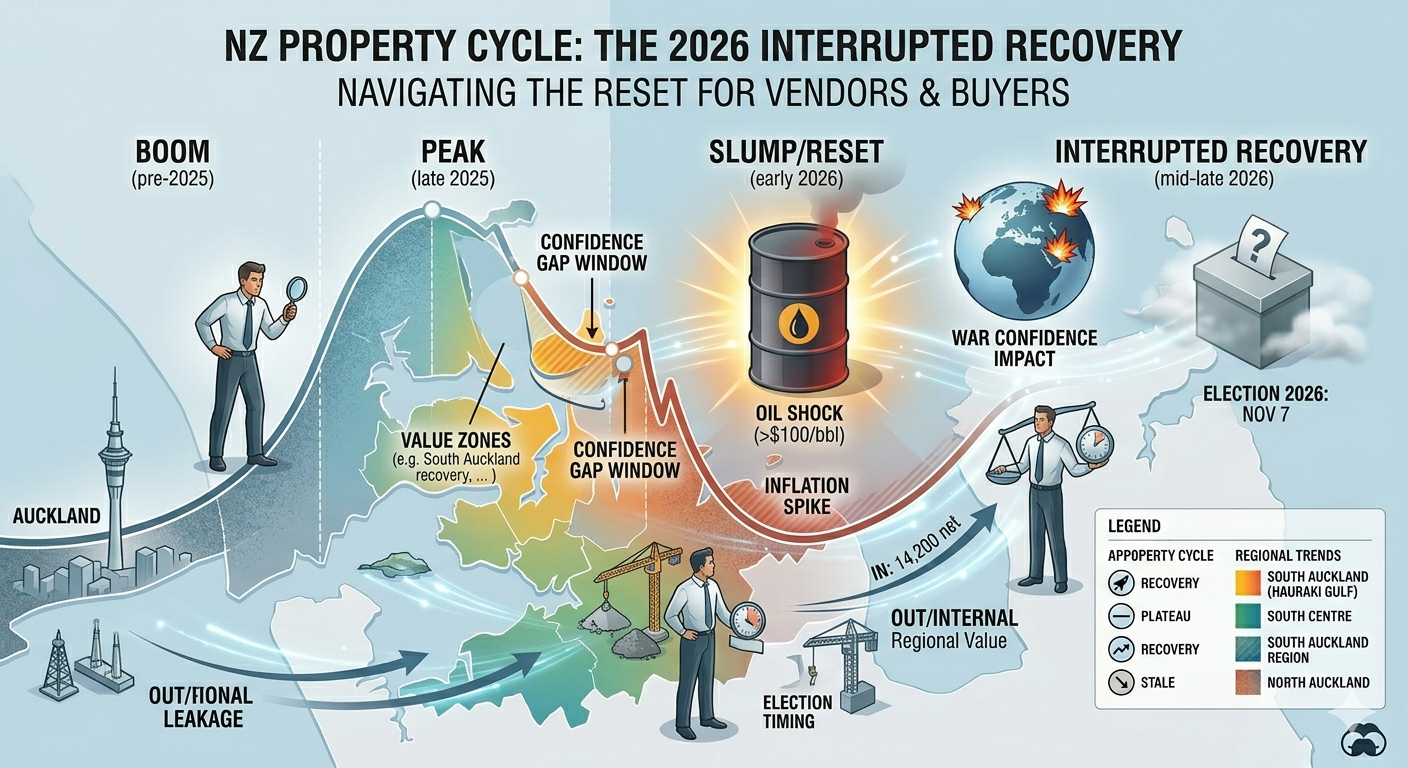
In the dynamic and often volatile landscape of 2026, the New Zealand property market is navigating a complex "reset" phase. For both vendors and buyers, understanding the property cycle is no longer just about tracking historical median prices; it is about decoding a web of global oil shocks, shifting migration patterns, rising building costs, and the looming uncertainty of an election year. This...
The ongoing geopolitical tensions and conflicts in the Middle East have far-reaching consequences that extend beyond regional borders, influencing global economies and, by extension, specific national markets such as New Zealand's real estate sector. This article explores the multifaceted impacts of these conflicts, particularly focusing on how they contribute to fluctuations in interest rates, fuel...
(This article was written by Manus.im) The New Zealand residential real estate market in 2026 is characterized by a "cautious recovery" following several years of stagnation and volatility. While the national outlook suggests modest price growth of approximately 2-5%, the market is underpinned by significant policy shifts, including the full restoration of interest deductibility and eased lending...
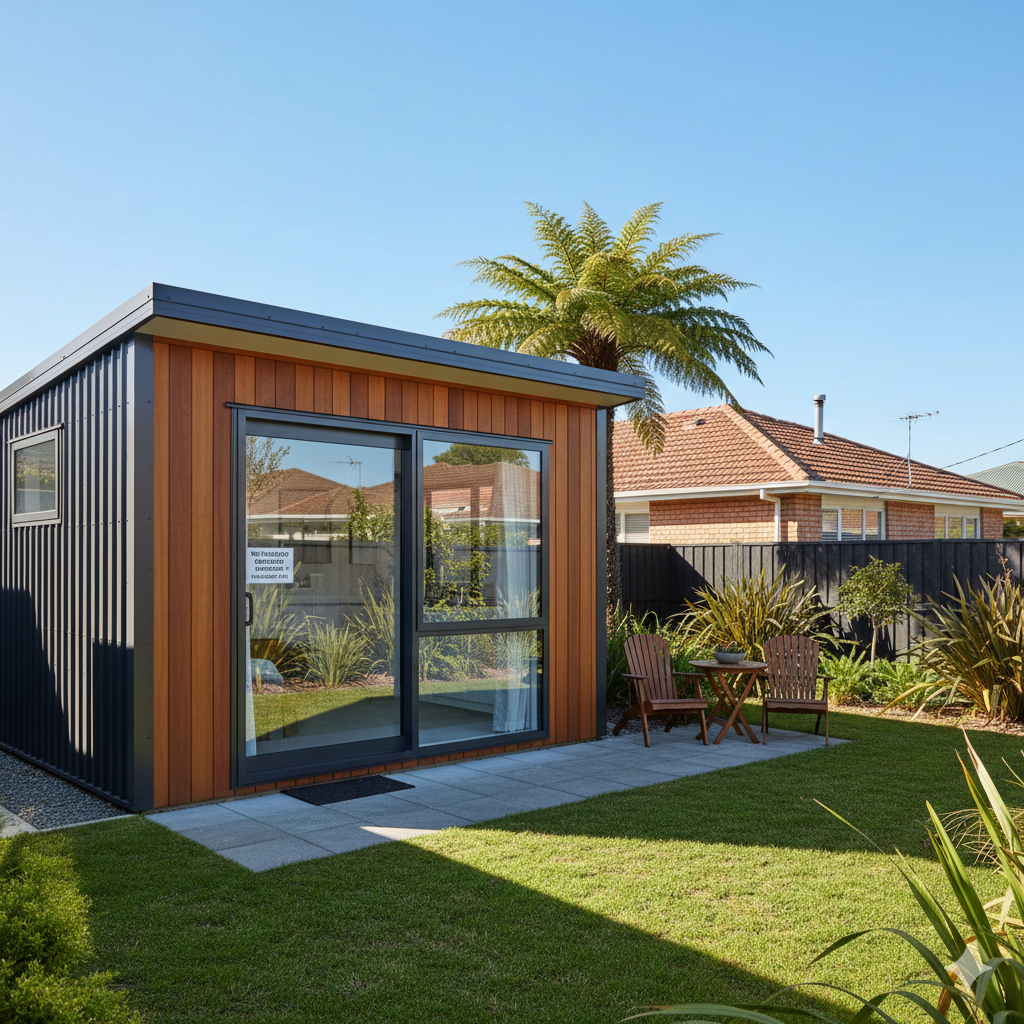
New Zealand homeowners are set to benefit from a significant change in building regulations, making it easier and more affordable to construct small additional dwellings, often referred to as "granny flats" or "accessory dwelling units" (ADUs), on their properties. The new rule, which came into effect recently, allows for the construction of standalone structures up to 60 square meters without requiring a...